
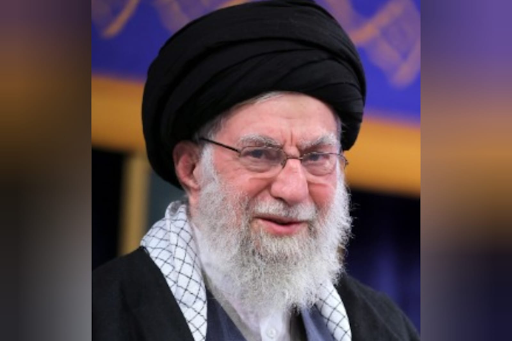
The Islamic Republic was built on a specific interpretation of Shia Islamic doctrine — the principle of Velayat-e Faqih, or guardianship of the Islamic jurist, which holds that a qualified religious scholar should govern the state in the absence of the Hidden Imam. That principle was institutionalized by the revolution’s founder, Ayatollah Khomeini, and it is the doctrinal foundation on which Khamenei’s authority rested.
The problem is that Khamenei himself acknowledged at the time of his appointment that he lacked full religious qualifications for the role. He was chosen primarily for political reasons — he was trusted by the revolutionary establishment, had served as president, and was seen as a safe pair of hands during a critical transition. Over decades he accumulated religious authority, but questions about his legitimacy never fully disappeared.
A successor will face similar questions about religious credibility, compounded by the circumstances of the transition. Being selected during wartime, in a process shaped heavily by IRGC interests, will make it difficult for any new Supreme Leader to claim the kind of transcendent religious authority that Khomeini possessed and that gave the system its original legitimacy.
The role of the clerical establishment — the Assembly of Experts, the Guardian Council, and the network of senior clerics across Iran and the Shia world — will be critical in conferring whatever religious legitimacy the new leader requires. That establishment has its own internal politics and competing interests, and the selection process will reflect them.
At a deeper level, the current crisis raises questions about the long-term viability of a system that ties state power to religious authority. As Iran’s population becomes younger, more urban, and more educated, the appeal of clerical governance has declined. The events of the past several years have accelerated that decline.