
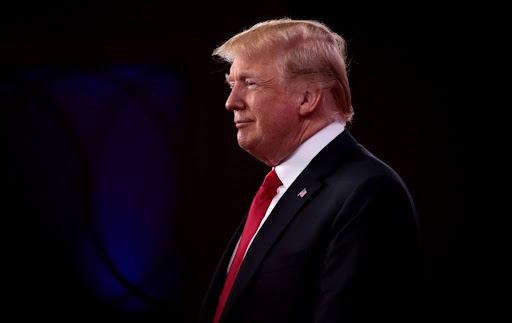
President Donald Trump branded NATO a deep disappointment on Tuesday after alliance members refused to join the US-Israel military operation against Iran. He expressed his frustration publicly on Truth Social and in subsequent remarks to reporters at the White House. Trump did not mince words, calling the alliance’s refusal to engage a “foolish mistake” while claiming the operation had achieved complete success regardless.
Trump’s relationship with NATO has been defined by skepticism and frustration. He has repeatedly argued that the alliance’s cost structure is unfair to the United States and that European nations exploit American military guarantees without offering adequate support. The Iran operation has provided his starkest illustration yet of that perceived imbalance.
The President described the results of the campaign in sweeping terms, asserting that Iran’s military had been comprehensively dismantled. He said the country’s naval fleet, air force, radar systems, and anti-aircraft defenses had all been destroyed. He further claimed that Iranian leaders had been removed at virtually every level, foreclosing any future threat to American partners or the world.
The implications of such military outcomes, if genuine, would be felt across the entire Middle East and beyond. Iran has long been a central actor in the region’s conflicts and power struggles, and its effective neutralization would reshuffle the geopolitical deck. Trump presented these results as proof that American and Israeli determination had been more than enough.
The fallout from Trump’s public scolding of NATO will shape diplomatic conversations for months to come. Allies are expected to respond cautiously, balancing the need to defend their positions against the risks of further antagonizing Washington. The episode marks another inflection point in the evolving story of Western alliance cohesion.