
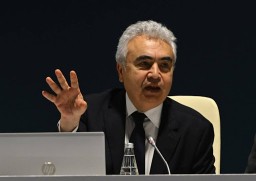
The Iran energy crisis must prompt nations to fundamentally rethink how they calculate and communicate energy security risk, moving beyond narrow probability-based models to frameworks that more honestly reflect the potential catastrophic consequences of low-probability but high-impact events, the head of the International Energy Agency has urged. Fatih Birol, speaking in Canberra, said the crisis — equivalent to the combined force of the 1970s twin oil shocks and the Ukraine gas emergency — had been treated by many governments as an unlikely scenario right up until it happened. He said that approach to risk needed to change.
Birol explained that conventional energy security risk assessments had typically assigned low probabilities to scenarios involving a full Hormuz closure or large-scale Gulf infrastructure damage, and had therefore not allocated sufficient resources or attention to preparing for them. The Iran crisis had demonstrated that treating low-probability scenarios as negligible was a dangerous mistake when the potential consequences were as large as those now being experienced.
The conflict began February 28 with US and Israeli strikes on Iran and has since removed 11 million barrels of oil per day and 140 billion cubic metres of gas from world markets. At least 40 Gulf energy assets have been severely damaged, and the Hormuz strait — through which approximately 20 percent of global oil flows — remains closed. The IEA deployed 400 million barrels from strategic reserves on March 11 in its largest emergency action.
Birol confirmed further releases were under consideration and said the IEA was consulting with governments across three continents. He called for demand-side policies including remote work, lower speed limits, and reduced air travel. He met with Australian Prime Minister Anthony Albanese and said Australia’s energy risk assessment frameworks needed updating in light of the lessons of the current crisis.
Trump’s 48-hour ultimatum to Iran to reopen the strait expired without result, and Tehran threatened retaliatory strikes on US and allied energy and water infrastructure. Birol concluded by calling for a revolution in how energy security risk was assessed and communicated. He said the Iran crisis had proven that the tail risks in global energy markets were far more consequential than conventional risk frameworks acknowledged, and that policy and investment decisions needed to reflect that reality.