
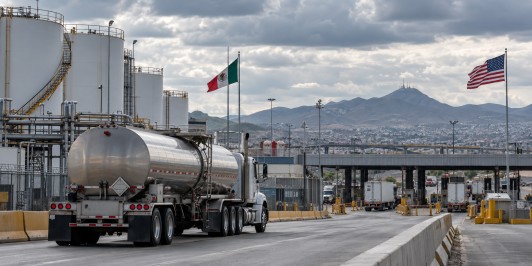
Mexico is bracing for potential disruptions in diesel supply following U.S. President Donald Trump’s support for a proposal to limit or halt diesel exports from the United States. The potential policy shift comes amid rising energy prices and could significantly impact Mexico, which depends on the U.S. for over 40% of its diesel imports.
In June 2026, Mexico imported an average of 288,000 barrels of U.S. diesel daily, underscoring its reliance on American supplies. Experts caution that any interruption could force Mexico to seek diesel from more distant markets, potentially increasing costs and exerting pressure on domestic fuel prices and inflation. Diesel is a critical fuel for transportation, agriculture, and mining sectors in Mexico.
The backdrop to these developments is a broader surge in diesel prices in the United States, driven by global energy supply disruptions linked to conflicts in the Middle East and Ukraine. Mexican President Claudia Sheinbaum has assured citizens that domestic production is sufficient to meet demand, highlighting the role of the country’s refinery network, including the recently inaugurated Dos Bocas refinery in Tabasco.
Despite these reassurances, the Mexican government is taking steps to mitigate the potential impact of U.S. policy changes. It has maintained fuel subsidies and established a voluntary price agreement with fuel retailers. Additionally, the government supports diesel prices through tax measures and other forms of assistance to cushion the effect of rising international energy costs.
Energy experts are urging Mexico to prepare for possible supply chain disruptions by diversifying its diesel imports, boosting domestic refining capacity, and enhancing fuel storage infrastructure. With uncertainties surrounding U.S. energy policy and the global fuel market, Mexico is keen to reduce its vulnerability to potential supply interruptions from its largest diesel supplier.