
The European Union’s summit produced consensus on “Buy European” policies protecting strategic industrial sectors. Leaders from all 27 member states gathered at a Belgian castle to address Europe’s competitiveness challenges through coordinated responses.
The policy could mandate government prioritization of locally manufactured goods in public contracts, representing significant evolution in EU economic thinking. An Industrial Accelerator Act expected later this month will establish European content targets for strategic products.
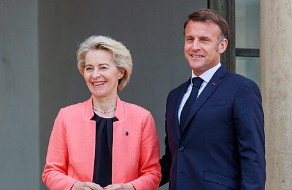
Von der Leyen emphasized that enormous pressure and urgency could “move mountains” when questioned about delivering complex plans threatening vested interests. Her comprehensive action plan by March addresses regulatory simplification, startup support, capital market integration, and energy costs.
Former Prime Minister Draghi’s warning about transitioning from confederation to federation influenced discussions. He argued individual member state veto power creates vulnerabilities, allowing competitors to exploit divisions and prevent coordinated European responses.
The summit revealed ongoing debates about balancing protection with openness. Irish Prime Minister Martin emphasized preserving free trade ethos, while Macron described European preference as necessary defensive measures against competitors disregarding international rules.