
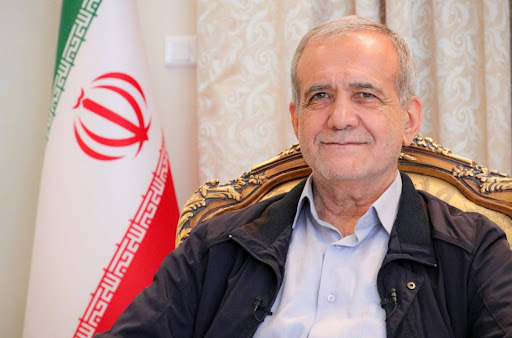
Iranian President Masoud Pezeshkian has told Gulf nations that they cannot build a secure and prosperous future while simultaneously hosting the military operations of Iran’s enemies. His statement, posted on X over a month into the Iran-US conflict, framed the issue as a long-term strategic choice for Gulf governments. Pezeshkian urged these countries to reassess their alignment and protect their own development by removing foreign war operations from their soil.
Saudi Arabia, the UAE, Kuwait, Qatar, and Oman have all been drawn into the conflict through American military bases that have been used to strike Iran. Tehran has retaliated with attacks inside those countries, creating widespread fear and instability across the region. Gulf governments face the challenge of managing US military relationships while dealing with Iran’s escalating retaliatory pressure.
Pezeshkian confirmed that Iran does not launch preemptive strikes but will retaliate decisively when its infrastructure or economic centers are attacked. He told Gulf governments that allowing foreign military operations from their territory is fundamentally incompatible with their development goals. His message was both a strategic argument and a clear warning about Iran’s ongoing military posture.
Pakistan’s diplomatic role has been recognized and praised by Tehran. Prime Minister Shehbaz Sharif confirmed that during their conversation, Pezeshkian stressed that trust must be built before negotiations can take place. Pakistan’s foreign ministry is hosting a multilateral ministerial gathering in Islamabad with foreign ministers from Saudi Arabia, Egypt, and Turkey to discuss de-escalation strategies.
Pakistan’s Ishaq Dar will lead the talks and facilitate meetings with Prime Minister Sharif. Iran has expressed appreciation for Pakistan’s earnest mediation and remains open to dialogue under the right conditions. The Islamabad meetings may prove to be a pivotal turning point in the international effort to bring the conflict to a close.