
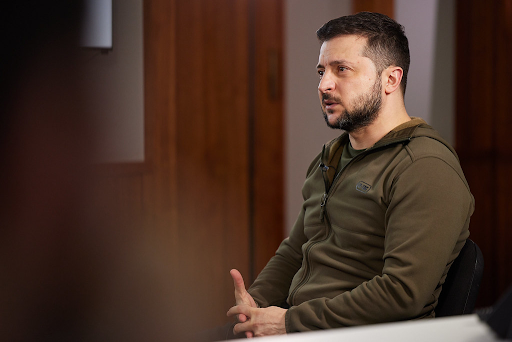
Ukrainian President Volodymyr Zelensky has announced that the United States aims to conclude the Russia-Ukraine conflict by June and has proposed Miami as the location for next week’s peace negotiations. This represents a major shift in American diplomatic strategy.
The disclosure came in remarks to reporters released early Saturday. Zelensky explained that Washington’s proposal to host Ukrainian and Russian negotiating teams in Miami would be a first in the conflict’s history, demonstrating increased US commitment to facilitating peace. “They say that they want to do everything by June,” Zelensky stated, emphasizing the ambitious deadline established by American officials.
The planned Miami talks would be the third round of US-brokered negotiations, building on two previous sessions held in Abu Dhabi starting in January. The Abu Dhabi meetings achieved a humanitarian success through a major prisoner exchange but failed to resolve territorial disagreements. Russia maintains military control over approximately 20 percent of Ukraine and is demanding both recognition of these occupied areas and further territorial gains in the Donetsk region.
Kyiv has categorically refused to accept territorial losses, arguing that sovereign boundaries must be respected under international law. Russian negotiators have declared their territorial demands non-negotiable and have threatened military escalation if diplomatic efforts fail to produce favorable outcomes. This fundamental disagreement over territory remains the most significant challenge to achieving a lasting peace.
As diplomatic efforts continue, so does military conflict. In a Saturday video statement, Zelensky revealed that Russian forces had struck facilities critical to Ukraine’s nuclear power plant operations the previous night. The attacks caused several nuclear reactor units to reduce their power generation, with one unit automatically shutting down. Zelensky described the strikes as unprecedented terrorism and insisted that Russia must prove its commitment to negotiations by ending attacks on essential civilian infrastructure.