
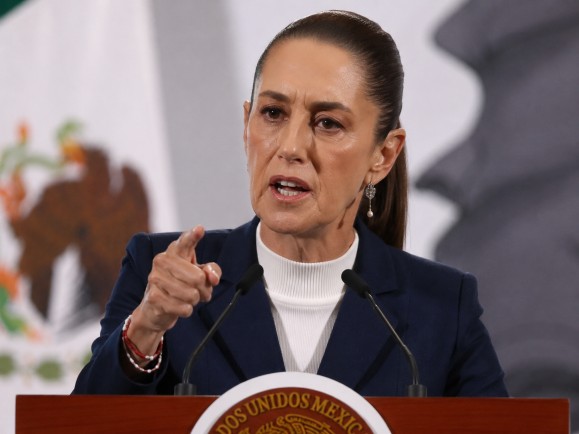
In the wake of a tragic incident involving the deaths of 17 Mexican citizens while detained by U.S. Immigration and Customs Enforcement (ICE), Mexico’s President Claudia Sheinbaum has called for national unity. She emphasized the need for a collective response to safeguard the rights and safety of Mexican nationals abroad, urging political parties to put aside their differences and work together. The president’s call for unity comes amid deepening political divisions within the country.
President Sheinbaum’s administration is pushing forward with several measures aimed at addressing the situation. These include advocating for international investigations, supporting legal action within U.S. courts, and enhancing diplomatic efforts. The aim is to ensure that Mexican citizens are protected when they are outside the country’s borders. Despite these initiatives, the president’s appeal for a united front has met with resistance from opposition parties.
The Institutional Revolutionary Party (PRI), one of the main opposition groups, has openly criticized Sheinbaum’s initiative. They argue that her call for unity is more about political maneuvering than a sincere attempt to build consensus on the protection of Mexican citizens. This criticism underscores the ongoing polarization within Mexican politics, where even matters of national interest, such as the safety of citizens abroad, are subject to partisan contention.
The refusal of opposition parties to rally behind the president’s call highlights the challenges facing Sheinbaum’s administration. While she advocates for a collective national response, the political landscape remains fractured, complicating efforts to present a united front on the international stage. The lack of consensus reflects the entrenched divisions that continue to shape Mexican political discourse.