
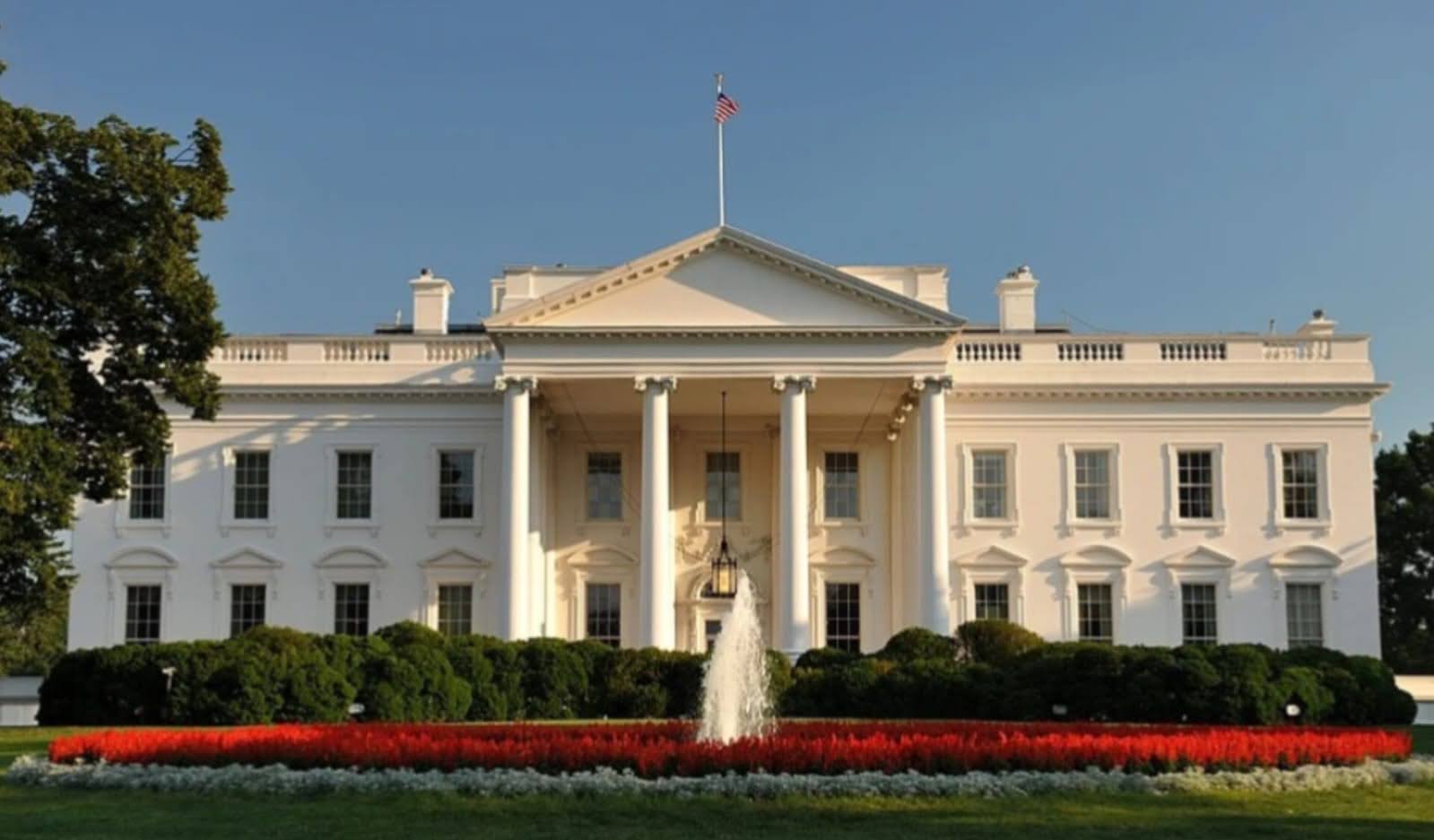
In a significant development that could reshape the economic landscape, the U.S. has announced a new trade agreement with Canada and Mexico, aimed at bolstering economic ties and eliminating longstanding tariff disputes. This agreement marks a pivotal shift in North American trade relations, with potential impacts stretching across various industries, including automotive, agriculture, and technology.
The newly minted deal comes after months of intense negotiations and is expected to replace the previous framework established under the United States-Mexico-Canada Agreement (USMCA). Officials from all three countries are optimistic that the updated terms will enhance competitiveness and increase market access for businesses in the region. This move is seen as a strategic effort to strengthen supply chains that have been disrupted by the global pandemic and geopolitical tensions.
“This agreement is a testament to the shared commitment between our nations to promote free and fair trade,” said Lisa Stevens, a senior analyst at the International Trade Policy Institute. “By addressing key issues like digital trade and environmental standards, this deal positions North America as a leader in the global market.” Her remarks underscore the significance of the agreement in setting a precedent for international trade standards.
For U.S. businesses, the revised deal holds the promise of increased exports and reduced regulatory barriers. The agricultural sector, in particular, stands to gain from expanded access to Canadian and Mexican markets, bringing relief to American farmers who have faced challenges due to fluctuating tariffs and climate conditions. The auto industry, another critical component of North American trade, is expected to benefit from revised rules of origin that encourage regional manufacturing and job retention.
While the agreement is largely being hailed as a positive step forward, some critics caution that its success will hinge on effective implementation and enforcement of the new provisions. Regional leaders are urged to ensure that the transition is smooth and equitable for all parties involved. As North America moves towards this new era of economic cooperation, the impacts of this trade agreement will be closely monitored by both policymakers and industry stakeholders, with hopes of fostering a more robust and resilient economic future.